
Dear Folks,
The history of the Church is full of drama, and a lot of it is the challenge of those who would try to change or falsify the Catholic faith. There is room for some legitimate disagreement within the boundaries of the faith, but when one steps out of those boundaries, that is heresy and does great harm.
There was a group called the Gnostics, who believed that we are spirits trapped in bodies, and the bodies were evil, or at best of no importance. The name comes from the Greek word for knowledge, and they claimed that salvation centers around having secret knowledge (that they claimed to possess) and if you had it, your behavior didn’t matter.
Some scholars believe the letters of John were written to fight the errors that would later develop into Gnosticism.
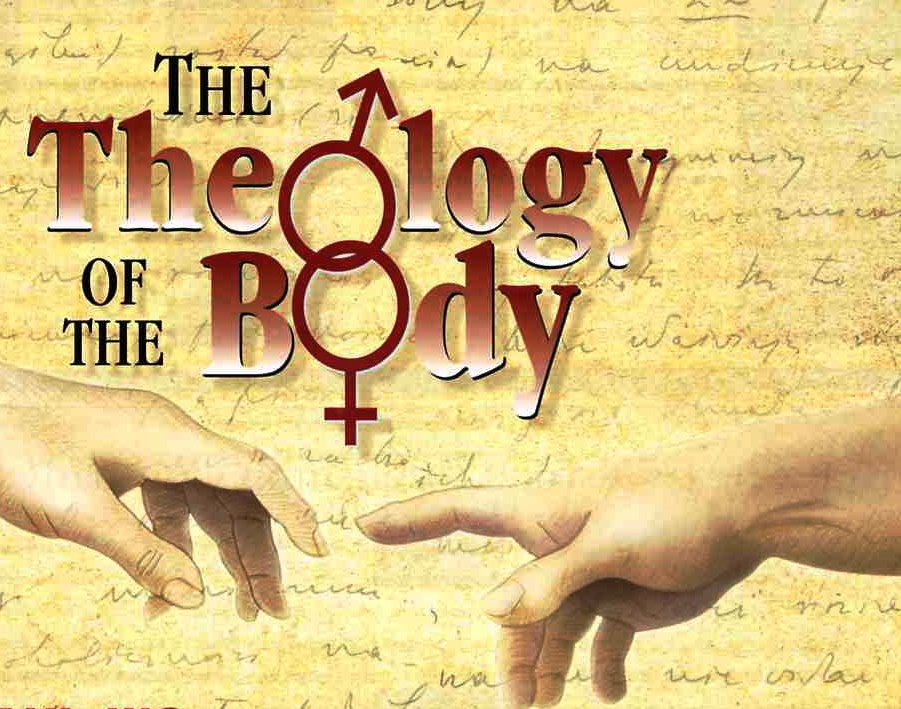
There was another group called the Manicheans, following a guy named Mani. They also believed that the body was evil and to be escaped. St. Augustine became one of them for a while trying to solve the problem of evil (If God created everything where did evil come from?) He later would learn better answers and became a mighty force opposing them. The Catholic faith believes very strongly that we are incarnate beings. We are both body and soul, and Jesus became fully incarnate, fully human. The Gospel of John is considered the most theologically developed, most philosophically elevated of the Gospels, but there are points where it gets especially earthy. Only in John do we see Jesus spitting and putting His fingers in the mud (John 9:6). Only in John does it show Jesus apparently cooking (John 21:9). When Jesus speaks of eating His flesh and drinking His blood, the word for “eat” is “trogo,” the more primal word used for eating like an animal more than for fine
dining. Christianity does not shy away from the fullness of implications of Jesus’ incarnate nature, or ours.
Our service to God naturally involves our bodies. Our faith has always held it honorable to sweat and get callouses doing God’s work. Our worship is also meant to involve the body. We are called to say and sing the words and do the actions, gestures and postures that pertain to our roles. This engages our whole self.
Being physically present is also a part of it. If all one can do is watch the Mass on television, then we remember we are not called to the impossible. However, something precious was lost. During Covid, many people decided they liked watching Mass on tv better. Some people blame the decision to close the churches for this trend. We can argue about what the bishops should have done during the crisis (I prefer to use my time more productively), but I would say that many people’s sense of the power of the Mass was pretty thin to begin with, and this was an excuse. Mass attendance had been declining for decades before, and this just accelerated it. The task now is for us to rebuild.
The first part of transforming the world is always for us to fall more deeply in love with Jesus. I would leave you with one question: how do you bring your whole self to Jesus?
Blessings
Fr Jim
 Fr. Jim Wyse