Dear Folks,
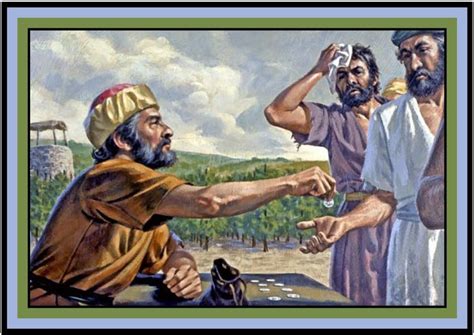
When we are kids, one of the first principles we learn is to play fair. Everyone gets a turn. Everyone gets the same number of cookies. When we hear this Gospel reading (Matthew 20:1-16a, the workers in the vineyard) the first reaction I had was this isn’t fair.
So, what’s the deal? We get told that “life isn’t fair.” I, of course had trouble with this for a long time because when people said it, it usually meant that I was going to get the dirty end of the stick.
However, when we get a larger perspective, we learn ways it is good that life isn’t fair. Different people are given different challenges and different gifts. This enables people to bring different strengths to the table.
Returning to our Gospel reading, consider: If you are hiring people to do a job, and there is a large pool to choose from, who would you pick? I expect the ones who get hired look the strongest and most capable of working. Imagine you were one of the candidates, and you didn’t get hired yesterday. That might mean that you didn’t eat yesterday. What if you didn’t get hired for several day? You might not look very capable and wouldn’t be the first hired. You stay around the marketplace hoping to get hired to do something so maybe you could get something to eat. Perhaps the owner of the vineyard wanted to give these people a chance. We may feel a bit hurt when someone is getting an extra chance and we are not, but there are larger issues. I’ve known families where one of the children has a long-term disease and so gets more attention. The other children, even if they understand, still feel it.
Some had said that this verse refers to people going to the last judgement and everyone who is saved gets the same reward whether they have done a lot or a little. There are a couple of problems with this interpretation. First, it would be the only text I know of in scripture that teaches us how to cope with going to heaven. Second, Jesus makes reference some greater and some lesser in the Kingdom of Heaven (Matthew 5:19, 11:11).
This story could certainly be understood as referring to the Gentiles becoming Christian, and their Jewish colleagues that, having followed the Torah for generations, they should get some special consideration in the Church compared to those who, for generations, practiced some pagan religion (which would often sound like more fun). If we hear the stories of some who had a time of seeking their own desires before becoming Christian (St. Augustine comes to mind) they often wish they had come to the faith sooner because that is better than what they had before. We have no cause to envy them.
God is at work. He wants everyone to be saved (1 Timothy 2:4) and will lead us through paths we might not understand at the time, but all will be made clear in the end. In the meantime, we keep going.
Blessings,
Fr. Jim