Monthly Archives: January 2026

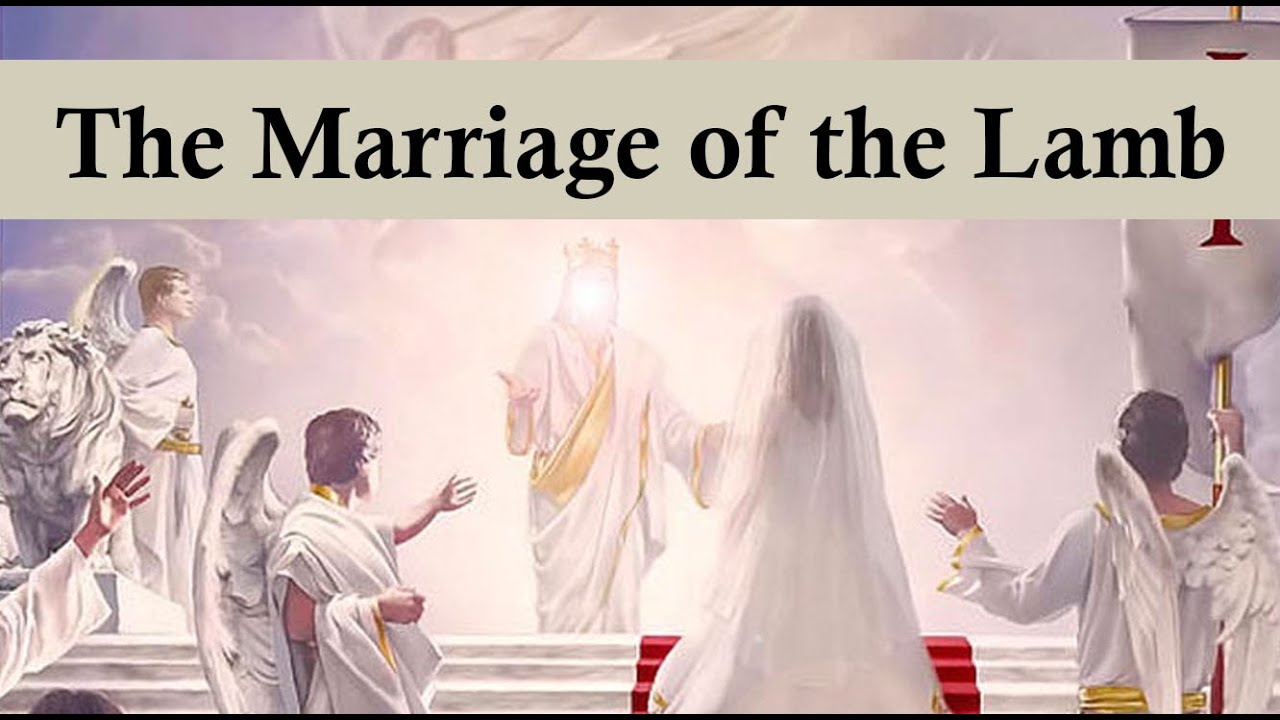
The Marriage of the Bride and the Lamb

Dear Folks,
In our readings this Sunday, God tells Isaiah, “I will make you a light to the nations, that my salvation may reach to the ends of the earth.” John the Baptist says, “Behold the Lamb of God who takes away the sins of the world.”
In the Gospel of John, it is emphasized that John the Baptist’s major function was to introduce Jesus. John uses two main images to describe Him: The Lamb (of sacrifice) in John 1:36 and the bridegroom in Jn 3:26-30. These two images will be brought together at the end of the story in the wedding of the bride and the Lamb (Revelation 19:6-10, 21:9). We remember these truths at every Mass as the priest says, “Behold the Lamb of God, behold Him who takes away the sins of the world. Blessed are those called to the supper of the Lamb.” They teach us that Jesus gave Himself to us completely, holding nothing back, out of pure love for us.
The image of the lamb emphasizes Jesus’ suffering and dying to save us. He faced overwhelming agony- mental, physical, emotional- enduring the full brunt of the evil in the world to undo the power of evil in us. The image of bridegroom emphasizes Jesus being faithful day in and day out, during good times and bad, never wavering in His love.
We are called to be a light to the nations, drawing people to Jesus. What is our message?
Our atheist, materialist friends will tell us that core reality is matter and energy, that personhood is a blip in the unfolding of matter and energy, and that love is a byproduct of the mating instinct. In this view, we are nothing but collections of chemical reactions in temporarily self-sustaining systems. Some may object to my description, but I don’t see how they can logically escape it. I don’t find that very inspiring.
In the Christian view, Divine Personhood is the core reality, and His essence is love. The Father is eternally giving Himself in love to the Son, who is eternally receiving and returning that love, and the love that passes between them is the Holy Spirit. Love is by nature fruitful, so He created us to receive His love and love Him in return, thus knowing the fullness of Joy, and created matter and energy. The universe is the stage of salvation history. The whole universe is a love story.
The essence of the Gospel is the gift of self in love. The Lord gives Himself to us and invites and enables us to receive that love and give ourselves. God gave His people marriage and taught His people to offer sacrifice so that we could learn to become gift. This, of course means following Jesus and the path He laid out. We are to be willing to suffer and to lay down our lives when the situation calls for it (John 15:12-13). We are called to love our neighbor in good times and in bad, in sickness and in health, faithfully day by day, year by year. Jesus’ gift of Himself is at work in us as we seek to give the gift of ourselves to Him and one another.
Blessings,
Fr. Jim

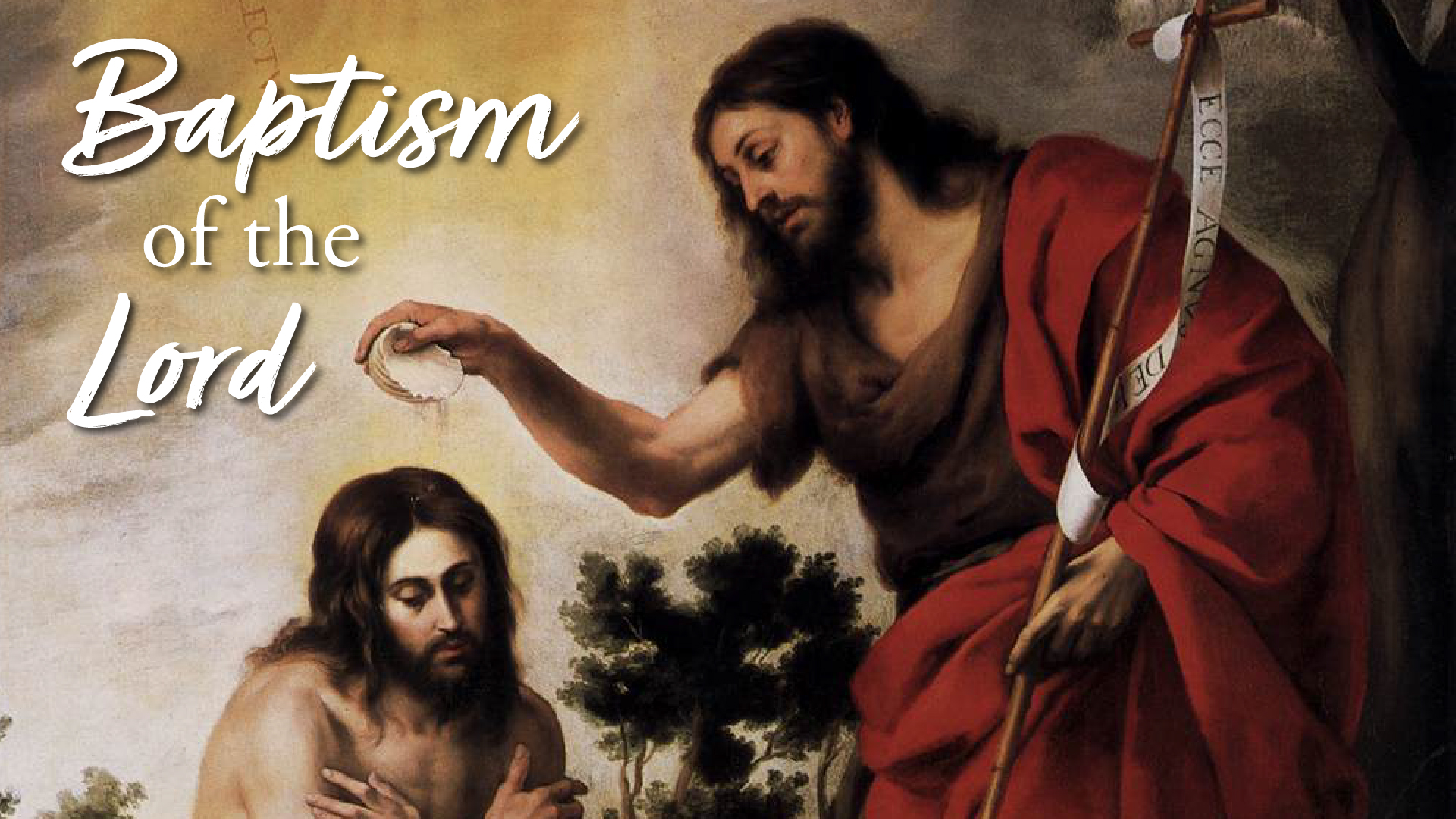
Baptism of the Lord: Putting Things in Order

Dear folks,
Now we come to the Baptism of the Lord, the end of the Christmas season.
Isaiah speaks of a servant who is working quietly, “to open the eyes of the blind and bring out prisoners from confinement…”. We remember that our sins blind us and imprison us, and the grace of God enables us to see the truth and be free. Our Enemy has convinced a lot of people that to be Christian is to live a cramped, diminished life in the hopes of a reward from God. Our job is to show that living according to the Gospel is a freer, more abundant way to live.
In our Gospel John the Baptist knows something is out of place with Jesus requesting Baptism. We, of course, know that Jesus had no sin and so did not need a baptism of repentance for Himself. However, this is the beginning of His taking on the mantle of sinner that we might be freed from our sins. When Jesus says, “Allow it now, for thus is it fitting for us to fulfill all righteousness” He is talking about putting everything into right relationship.
Our relationship with God, with each other, and with the earth itself were thrown into chaos by sin (See Genesis 3), and this diminished the flourishing of life. Bringing order out of chaos so that life could flourish is going to take sacrifice, and we shall see it again and again in the Gospel of Matthew.
We the baptized are united with Jesus in His mission. We will often face situations that are unfair. We shall have to help clean up messes that we didn’t make, fix things we didn’t break, and be blamed for things that are not our fault. As we go through the Gospel this year, we see how Jesus faced that. He always stood for what was true and right and often suffered unjustly for it. He never let it stop Him.
After His baptism, He would go to the desert to face temptation and then started proclaiming the Kingdom of heaven. As the Christmas season ends, we get to ordinary time, the time in which most of the work gets done.
There was an article in Wordonfire.org called “Catholic Call to be the Soul of the World” by Tim Glemkowski. He quotes the 2nd century “Letter to Diognetus”: To sum up all in
one word—what the soul is in the body, Christians are in the world. The soul is dispersed through all the members of the body, and Christians are scattered through all the cities of the world. The soul dwells in the body, yet is not of the body; and Christians dwell in the world, yet are not of the world.” This is similar to Jesus’ call to be salt of the earth and light of the world (Matthew 5:13-16).
We, the baptized Christians, are called to seek union with Jesus to be transformed so that we can transform the world. It’s a tall order but let us not underestimate the power of the Gospel. We may not see all the results but let us trust that God is at work. May we have a fruitful year.
Blessings,
Fr. Jim

Seeking Mystery

Dear Folks,

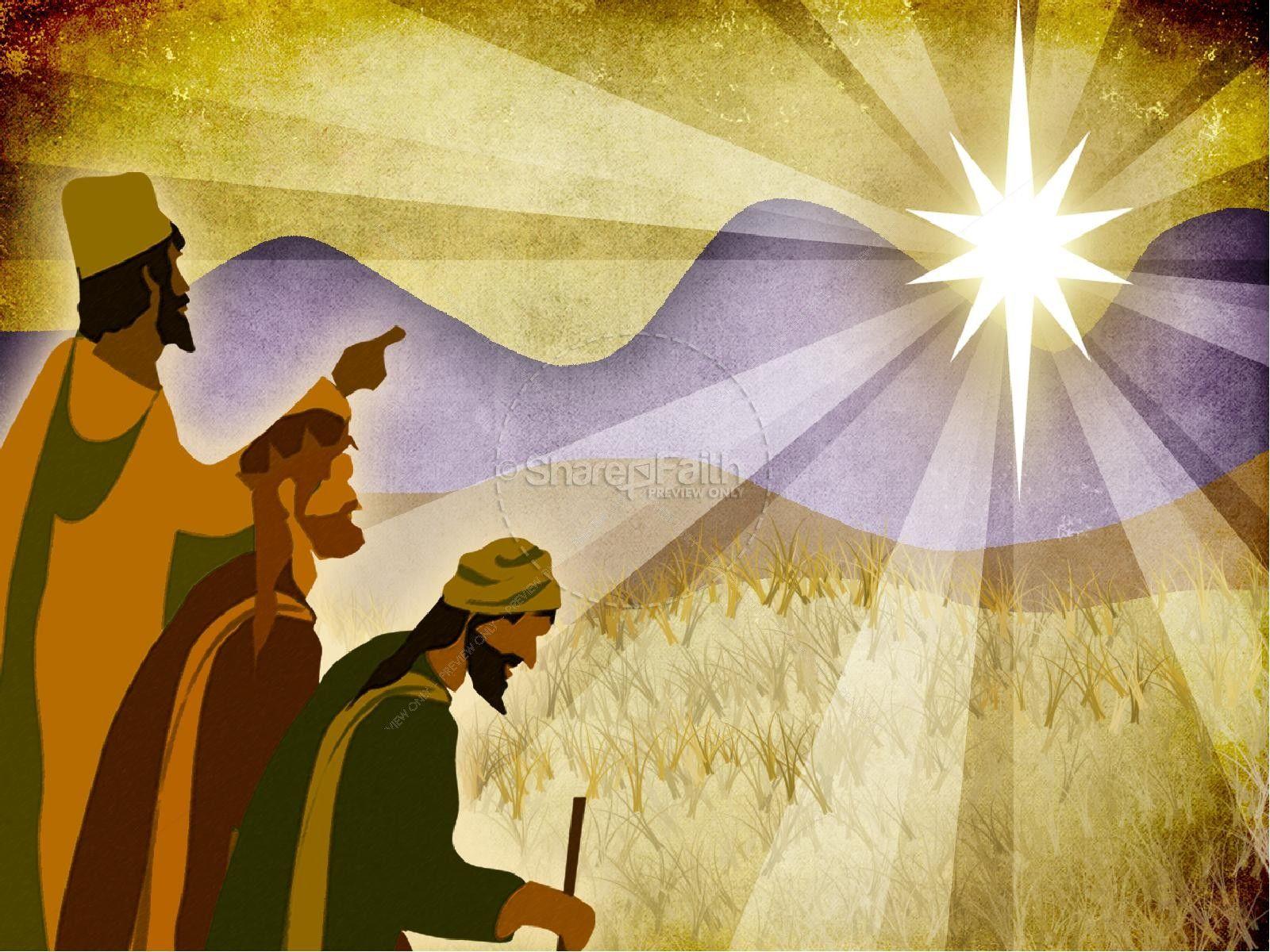
As we continue to celebrate the Christmas season, we now come to Epiphany. The word epiphany means “appearance” or “manifestation.” The coming of the Magi tells us that Jesus is meant for the whole world, not just His family, town, or nation. The Magi were not of the nation of Israel but were seekers of mysteries. We have a natural hunger for mystery, but many lose track of it chasing after superficial things. The human exploration of mystery lead to many who explored new territory, studied natural phenomena, or asked ultimate questions. Like many hungers, it can be awakened by the right stimulus. Imagine being so focused on tasks that you don’t notice dinner time, but suddenly you smell (insert favorite food here) and then you have hunger pangs. 

As the star drew the Magi, so we are meant to be stars to other people. That means we are to draw people to the mystery of Jesus. While we are called to be good examples so that seeing what we do people will praise God (Matthew 5:16), our central message is not that we are such wonderful people. It is about a mystery infinitely greater than we are.

Many have learned about church in a way that loses the great sense of mystery. Some think that Christianity is basically a collection of belief statements to repeat and commandments to follow. Some people have said that Christianity is basically about being a good person. This breaks my heart. They have been robbed. They have been cheated. They have been deprived of an enormous treasure and given a superficial substitute. Then the Mass would be seen as just a community gathering that gives us a good experience and a good feeling. It is a doorway to the Infinite and the ultimate. The celebrant is a failure if he is about drawing attention to himself. Liturgical musicians fail if they draw attention to the music for its own sake. The celebrant, the music and all the ritual are to draw people into the mystery that is beyond what we see. Our faith is an infinite mystery into which we enter. We encounter the central truths of reality and of life, and they can transform us to the core of our being. Imagine someone having a nuclear power plant and only using it to reheat their coffee. 

When I was a young priest, an older priest told me he was “bored” with the Gospel of John. When I looked shocked, he said, “When you’ve been a priest for 35 years, you might be bored with it too.” Well, now I’ve been a priest for thirty-eight years, and have never gotten bored with the Gospel of John. In fact, the more I learn, the deeper I go, the more I study it the more amazing, the more fascinating it is. Of course, the reading that was available at that time was more about deconstructing the text than seeing deep connections. We didn’t have authors like Brant Pitre, Scott Hahn, John Bergsma and Jeff Cavins. I learned a lot of wonderful stuff in the seminary, and I will be forever grateful for my teachers and what they taught me, but there is so much more. 

We are called to be seekers of mystery, and the more deeply we seek, the more we can make sense out of life, the universe, and everything. 

The star beckons. If we follow, we can be a beacon to others.

Blessings,

Fr. Jim