
Dear Folks,
In our readings this Sunday, God tells Isaiah, “I will make you a light to the nations, that my salvation may reach to the ends of the earth.” John the Baptist says, “Behold the Lamb of God who takes away the sins of the world.”
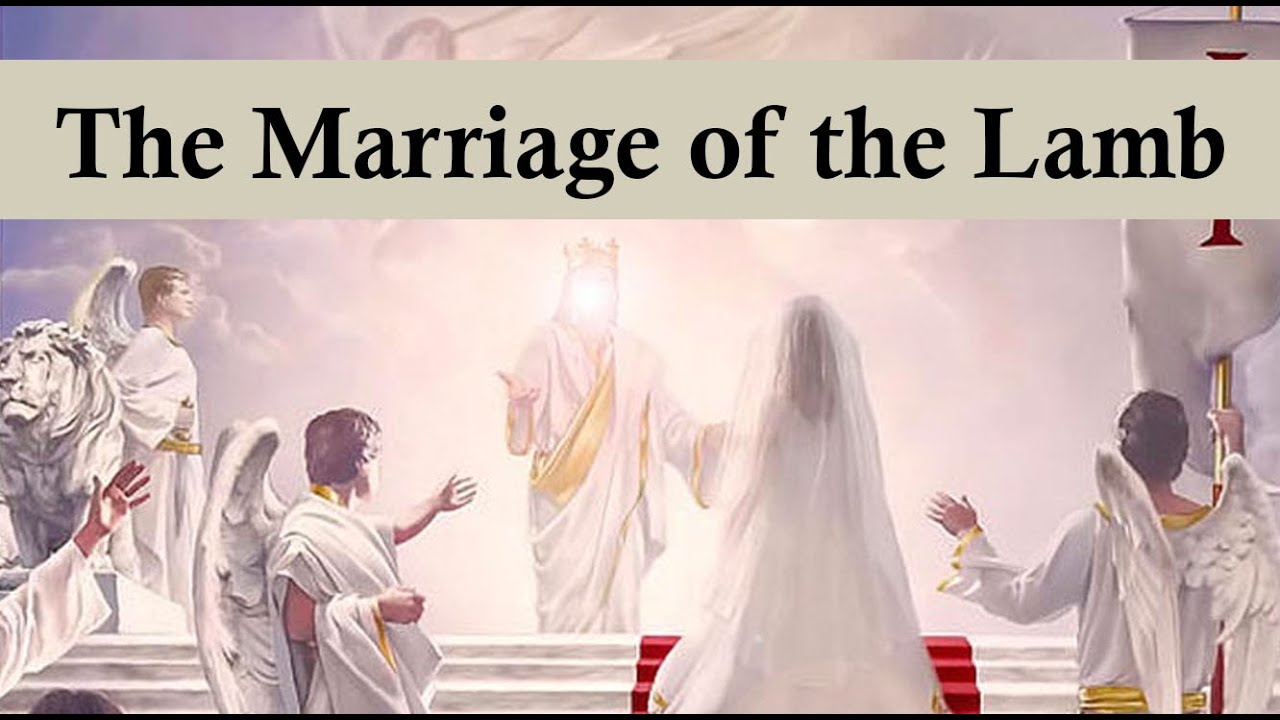
In the Gospel of John, it is emphasized that John the Baptist’s major function was to introduce Jesus. John uses two main images to describe Him: The Lamb (of sacrifice) in John 1:36 and the bridegroom in Jn 3:26-30. These two images will be brought together at the end of the story in the wedding of the bride and the Lamb (Revelation 19:6-10, 21:9). We remember these truths at every Mass as the priest says, “Behold the Lamb of God, behold Him who takes away the sins of the world. Blessed are those called to the supper of the Lamb.” They teach us that Jesus gave Himself to us completely, holding nothing back, out of pure love for us.
The image of the lamb emphasizes Jesus’ suffering and dying to save us. He faced overwhelming agony- mental, physical, emotional- enduring the full brunt of the evil in the world to undo the power of evil in us. The image of bridegroom emphasizes Jesus being faithful day in and day out, during good times and bad, never wavering in His love.
We are called to be a light to the nations, drawing people to Jesus. What is our message?
Our atheist, materialist friends will tell us that core reality is matter and energy, that personhood is a blip in the unfolding of matter and energy, and that love is a byproduct of the mating instinct. In this view, we are nothing but collections of chemical reactions in temporarily self-sustaining systems. Some may object to my description, but I don’t see how they can logically escape it. I don’t find that very inspiring.
In the Christian view, Divine Personhood is the core reality, and His essence is love. The Father is eternally giving Himself in love to the Son, who is eternally receiving and returning that love, and the love that passes between them is the Holy Spirit. Love is by nature fruitful, so He created us to receive His love and love Him in return, thus knowing the fullness of Joy, and created matter and energy. The universe is the stage of salvation history. The whole universe is a love story.
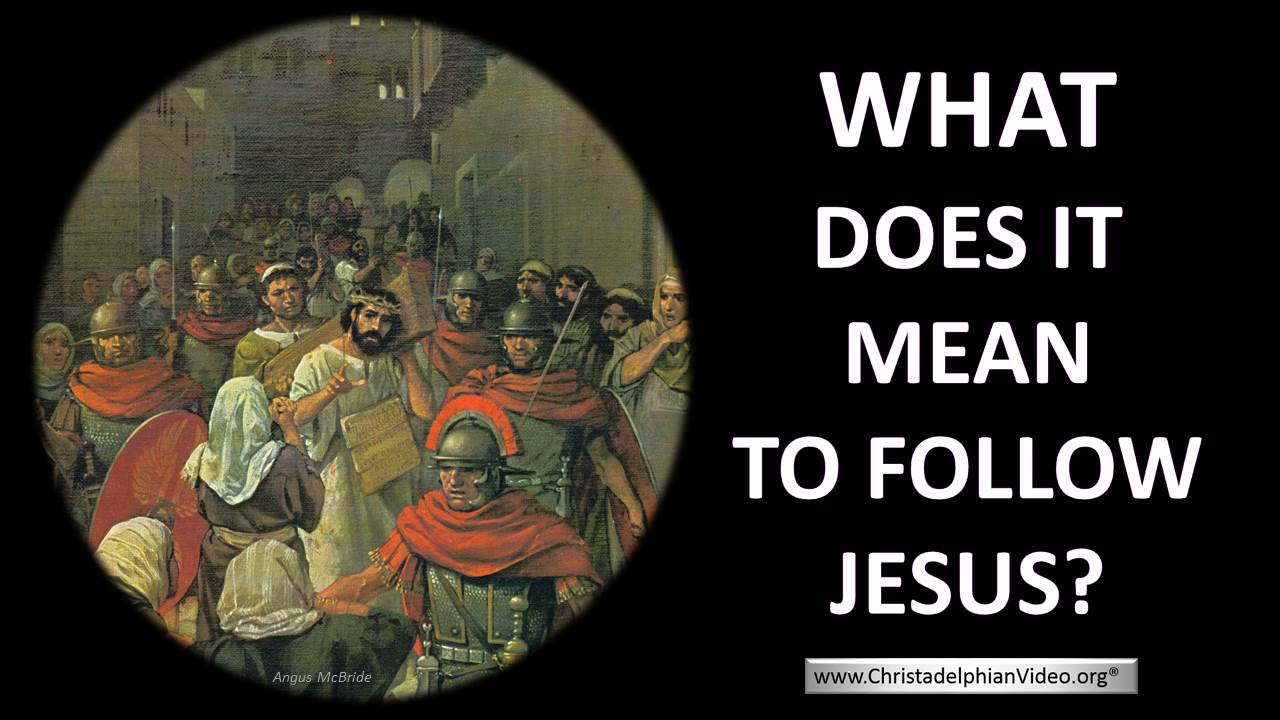
The essence of the Gospel is the gift of self in love. The Lord gives Himself to us and invites and enables us to receive that love and give ourselves. God gave His people marriage and taught His people to offer sacrifice so that we could learn to become gift. This, of course means following Jesus and the path He laid out. We are to be willing to suffer and to lay down our lives when the situation calls for it (John 15:12-13). We are called to love our neighbor in good times and in bad, in sickness and in health, faithfully day by day, year by year. Jesus’ gift of Himself is at work in us as we seek to give the gift of ourselves to Him and one another.
Blessings,
Fr. Jim




 Fr. Jim Wyse