

Dear Folks,
When we try to have productive dialog, there are some principles that might be useful.
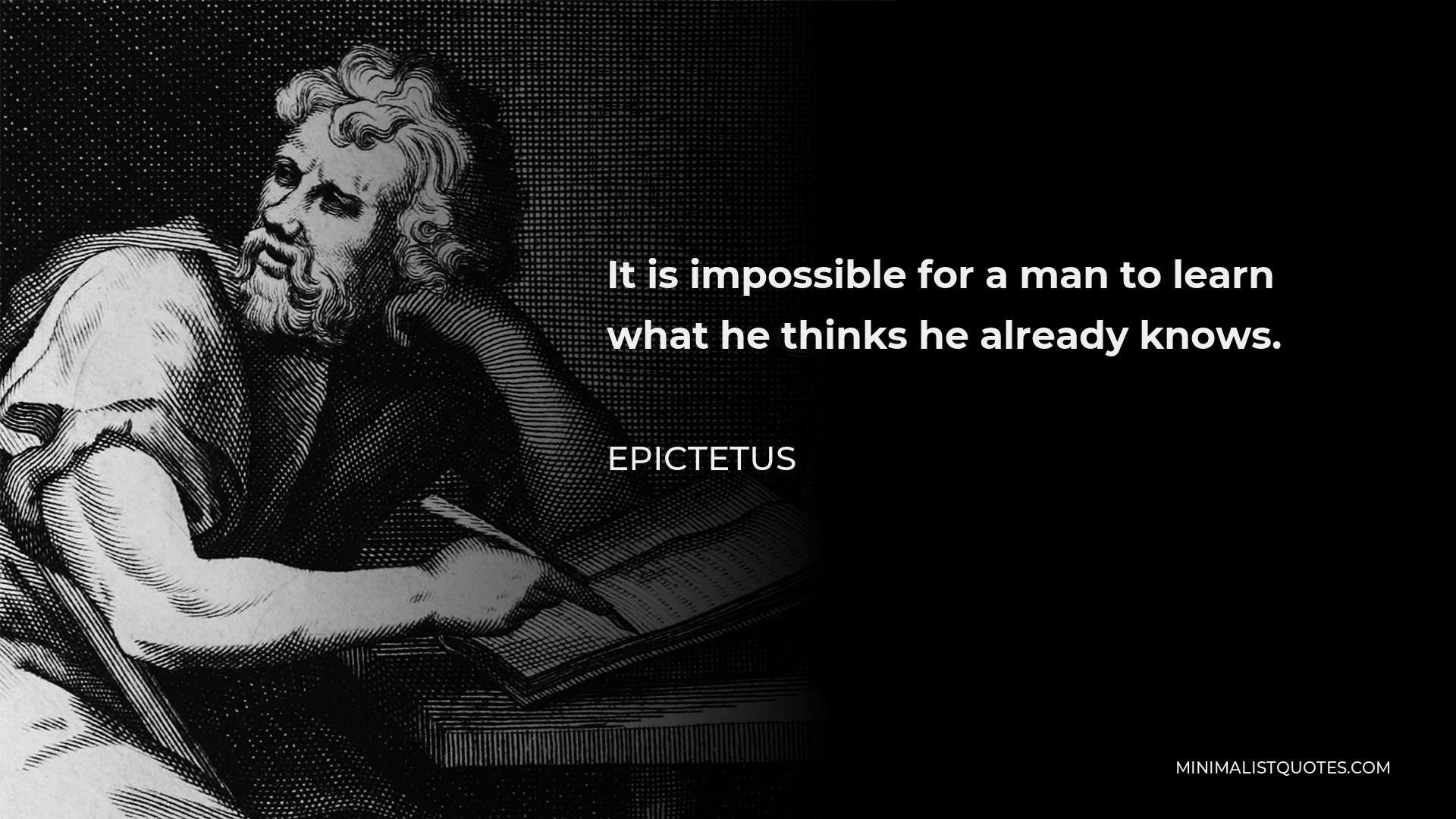
Daniel Kahneman’s book “Thinking Fast and Slow” he says there are two kinds of thinking. One is faster and easier, but “knows nothing of logic or statistics” and has a tendency to believe that what we see is the whole picture. The other kind of thinking is slower and more work, so very often people don’t do it. It takes effort to think things through, to examine and question ideas critically. When I’m talking to someone, what kind of thinking am I using? What kind of thinking is the other person using? Both kinds of thinking are useful in their place, but it is useful to be aware.
Recognize that God sees everything (the whole picture) with direct apprehension. We do not. We, through our senses, collect bits of experience and weave them into a narrative. There is absolute truth, but our grip on it is limited. Two people can have very different narratives about the same situation and both be acting in good faith.
There are many people working very hard to feed us their narratives about how things are, and some people will hear the narrative, find it compelling, then accept it uncritically and never look back.
If you read “Unlocking Leadership Mindtraps” by Jennifer Garvey Berger (I’m currently listening to her “Simple Habits for Complex Times” and it is interesting), she describes one mindtrap as “The Simple Story.” We hear a simple narrative that seems compelling and decide that it explains everything, and we can miss complexity. Another mindtrap is “Agreement”. If everyone in our group agrees with an idea we tend decide that it’s enough and not to seek further perspective. There is an opposite in which whatever a certain person or group believes, we automatically believe the opposite. I saw someone talking about a politician (whose opponents really hated him) and this person suggested, “He should issue a statement in favor of air and watch his enemies suffocate themselves.” Nobody is always right (except God) and nobody is always wrong.
There is a dark triad: narcissism, psychopathy, and Machiavellianism, people who don’t care how they hurt you as they seek to get what they want. You can imagine the temptation to be quick to decide that anyone we disagree with is one of those, but that is lazy and unproductive. We need some really solid reason to write someone off like that. We also need to recog-
nize that having fruitful dialogue with people of other perspectives is more work than we are used to thinking.
In Matthew 10:14 (also Mark 6:11 and Luke 9:5) Jesus teaches that sometimes people will not
hear us, and we must “shake the dust” from our feet and move on. Jesus couldn’t reach everyone, and we are not going to do better than Jesus. Once again, it is important to beware of the
temptation to put people in that basket too quickly. This work is hard, harder than we tend to think, and if we give up too soon, we will make no progress but become more and more alienated.
All of this means that having good dialogue with other people is going to be hard work, patient work, frustrating work. The question is: are we willing to do that for the sake of a better world?
Blessings,
Fr. Jim








 Fr. Jim Wyse