
Dear Folks,
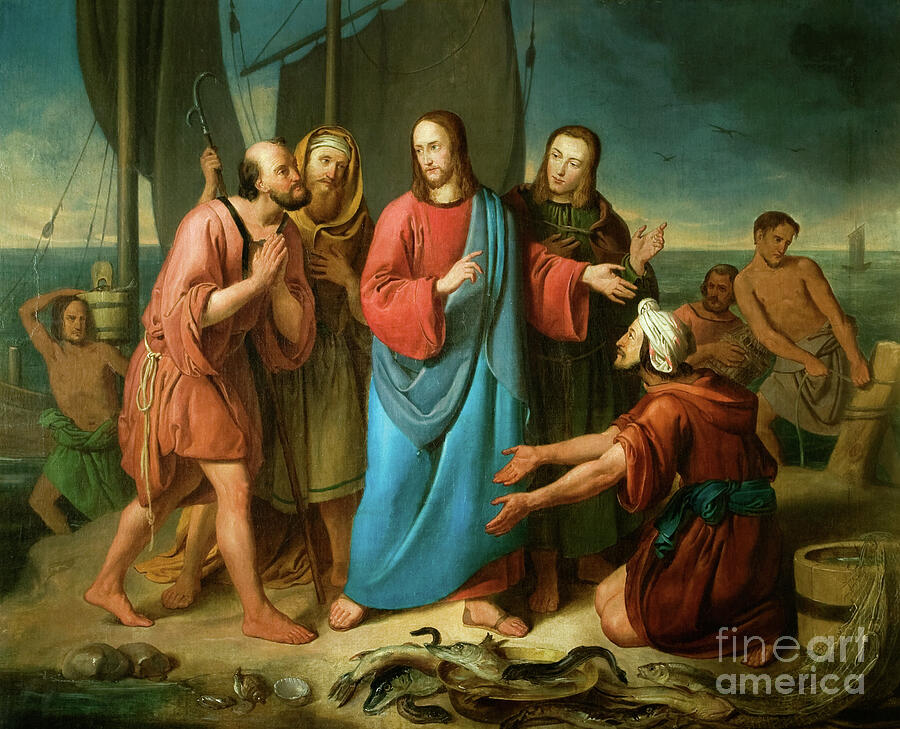
In our Gospel this week we see Jesus selecting and calling his apostles
God calls each one of us to play a role in His gigantic plan. We may figure that we are not important enough, not powerful enough, or not situated right to be major parts of His plan. This is missing the point. We see in Pope Leo’s encyclical Magnifica Humanitas:
“212. At this point, however, a subtle temptation may emerge, namely the thought that the problems are too big and we are too small, and that our choices, therefore, cannot make a difference. This is a polite form of resignation, often disguised as realism. Certainly, not everyone has the same power to make a difference. There are those who govern, make investment decisions, lead institutions, conduct research, educate, produce or provide information, and then there are those who only seem to live their daily lives. Yet, no one is without responsibility. We all have our own areas for action, and it is precisely there — and nowhere else — that we must choose whether to fuel the mentality of force (even if only through indifference, cynicism, lies or hatred), or to preserve the mindset of peace (with truth, moderation, closeness and care).
213. The twentieth-century Catholic author J.R.R. Tolkien, in the words of a protagonist in one of his novels, described our responsibility in this way: “It is not our part to master all the tides of the world, but to do what is in us for the succour of those years wherein we are set, uprooting the evil in the fields that we know, so that those who live after may have clean earth to till.” The civilization of love will not arise from a single or spectacular gesture, but from the sum total of small and steadfast acts of fidelity that serve as a bulwark against dehumanization. For this reason, it is worthwhile pausing to reflect on some aspects of how we, each in our own way, can cooperate in building the civilization of love. Without presuming to exhaust this theme, I would like to propose five paths toward daily and public responsibility: the need to disarm words, building peace through justice, adopting the perspective of victims, cultivating a healthy realism and reviving dialogue and multilateralism.”
We only see a part of God’s work, so we cannot see all the ways we will fit in it. John 15:16a says “You did not choose me. Rather, I chose you. And I appointed you to go out and bear fruit that will remain…”
Looking through the Bible and the lives of the saints one can see that God is constantly calling people to be a part of His plan. It is often the person you’d least suspect. We don’t know much about the twelve before they were called. We know four were fishermen, that one was a tax collector and that one was from the zealot party, but that’s pretty much it. The New Testament is not very cooperative in getting us the answers we sometimes want. Very often, God called people when they are busy doing something else. He often asks people to do something that makes no sense to them at the time.
We sometimes ask why God allows there to be so much evil in the world. I suggest that part of the answer is that God gives us some responsibility for making the world better. Now if you consider all the people who were called to do good and didn’t do it, and then all all the evil that people have done since the beginning, that is a lot. I suggest that is the gap between the world that God wanted and the one we have. If we have been paying attention, I bet that we’ve noticed how the actions of those who went before us have left us better or worse off. As we respond to God’s call, I suggest we are will be affecting people in the future until the end of time.
How has God called you? How might he be calling you now? How would you respond if he calls you in the future? It matters.
Blessings,
Fr. Jim

