
Dear Folks,
The Bible is paradoxical about many things. A paradox is an apparent contradiction, but on closer inspection, we see how it fits together and shows a deeper truth than a simple statement would have made.
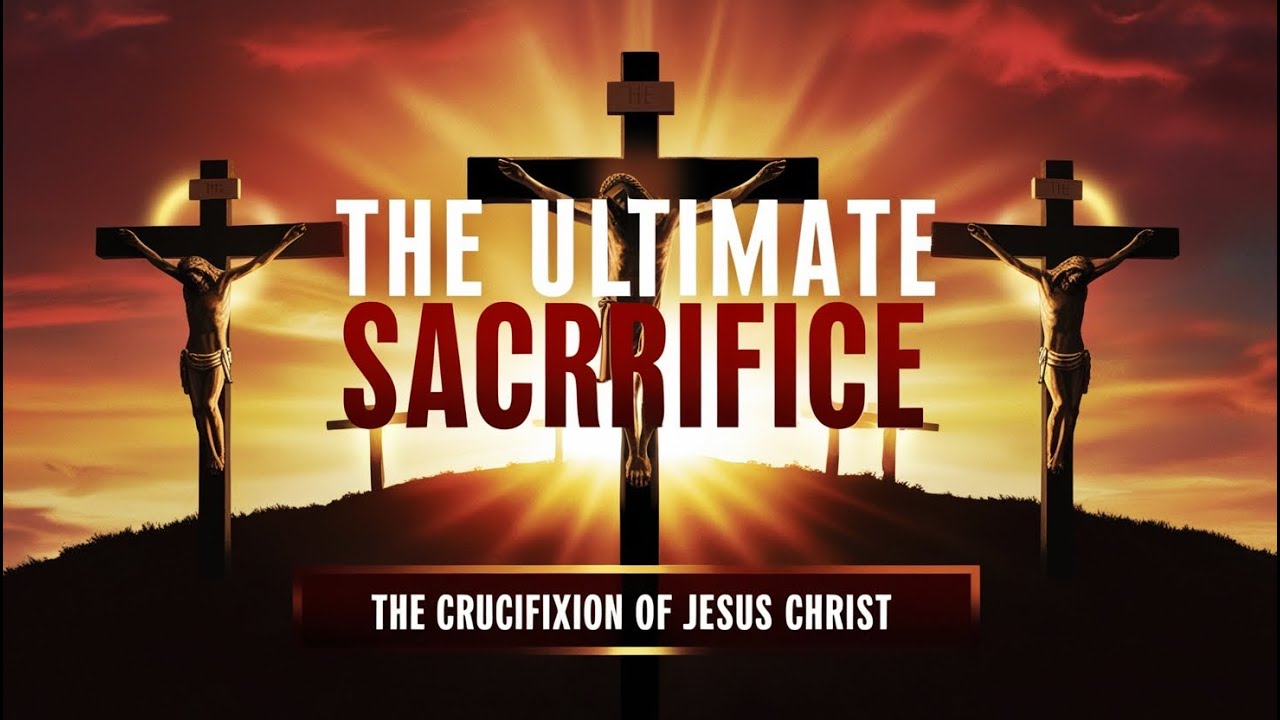
One paradox is about sacrifice. The sacrifices of the Old Testament lead up to the one sacrifice of Jesus, offered once for all (Romans 6:10; Hebrews 10:10, 1Peter 3:18, etc.).
But we find some interesting stuff in the New Testament. Romans 12:1 “Therefore, brethren, I implore you by the mercies of God to offer your bodies as a living sacrifice hat is holy and acceptable to God – a spiritual act of worship.” We see Colossians 1:24 “I find great joy at present in suffering for you, and in my own body I am completing the suffering that still must by undergone by Christ for the sake of his body, the Church.” 1 Peter 2:4-5.“Come to him, a living stone, rejected by men but chose by God and precious. You too, are like living stones, being built up into a spiritual temple and a holy priesthood to offer sacrifices acceptable to God through Jesus Christ.” I would also understand Ephesians 5:1-2 as a fulfillment of Ezekiel 20:41.
There is only one sacrifice now: the Jesus offering once in history Himself on the cross, and that sacrifice is always before the Father (see Revelation 5:6), while the Scriptures say that we are to offer sacrifice. Therefore, the sacrifice we are to offer is that one. It is already perfect and perfectly holy, but it makes us a part of that sacrifice. We don’t add anything to it, but once again it is gift from God to make us connected to Jesus. We are the body of Christ, (remember 1 Corinthians 12, Ephesians 4:11-13, and Romans 12) and this is a body that is offered to the Father (see 1 Corinthians 15:28). Jesus gave Himself sacramentally at the Last Supper, and then on the Cross. Without the cross, the Last Supper is just dinner and without the Last Supper, the Cross is just an execution.
We look at Paul being fierce about the way people behave at Eucharist in 1Corinthians 11:17-34, especially “Therefore, anyone who eats the bread and drinks the cup of the Lord in an unworthy manner is guilty of an offense against the body and blood of the Lord.
“Taking part in the Eucharistic sacrifice, which is the fount and apex of the whole Christian life, they offer the Divine Victim to God, and offer themselves along with It. (Lumen Gentium #11. See also Sacrosanctum Concilium 48).”
As a bride and groom give themselves to each other sacrimentally at their wedding, and then in practice living out their vows, so Jesus gives Himself to us sacramentally as Mass, and then gave Himself in practice on the cross. So we are called to give ourselves sacramentally at Mass and in practice as we go live the Christian life. “For all their works, prayers, and apostolic endeavors, their ordinary married and family life, their daily labor, their mental and physical relaxation, if carried out in the spirit, and ever the hardships of life, if patiently borne – all these become spiritual sacrifices acceptable to God through Jesus Christ (c.f. 1 Peter 2:5) Lumen Gentium 34.”
This explains why St. Paul is so fierce about really meaning it “Everyone should examine himself about eating the bread and drinking the cup. For a person who eats and drinks without discerning the body of the Lord is eating and drinking judgement on himself (vv. 27-29).”
The essence of the Gospel is the gift of self. The Lord gives Himself completely to us, not even withholding the last drop of His blood, and He calls us to give ourselves completely to him.
Blessings,
Fr. Jim


